



About us · Since 1959
Our history
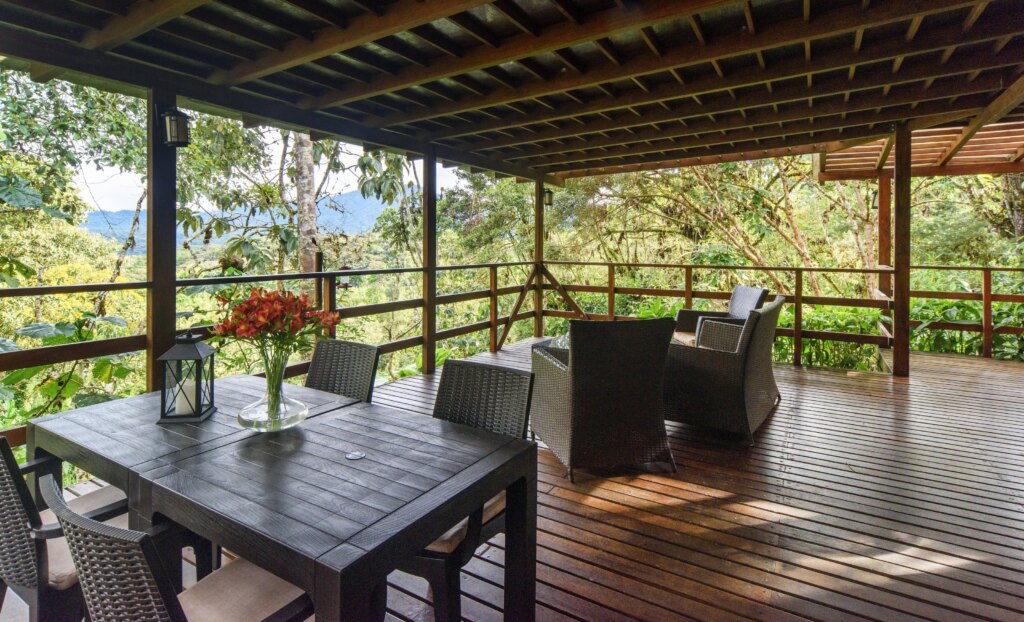
One of the first lodges in Ecuador to offer a full service stay surrounded by a private forest reserve.
Three generations of conservation and nature-related tourism in Ecuador
San Isidro Lodge has long been recognized as a pioneer in nature tourism and conservation, since it is one of the first lodges in Ecuador to offer a full service stay in a place surrounded by a private forest reserve.
It all goes back to a time in the late 1940s, when young Simón Bustamante started his exploration of the largely uninhabited eastern part of Ecuador. From his first journey he was hooked, and continued to get to know this vast region of the country like nobody else.
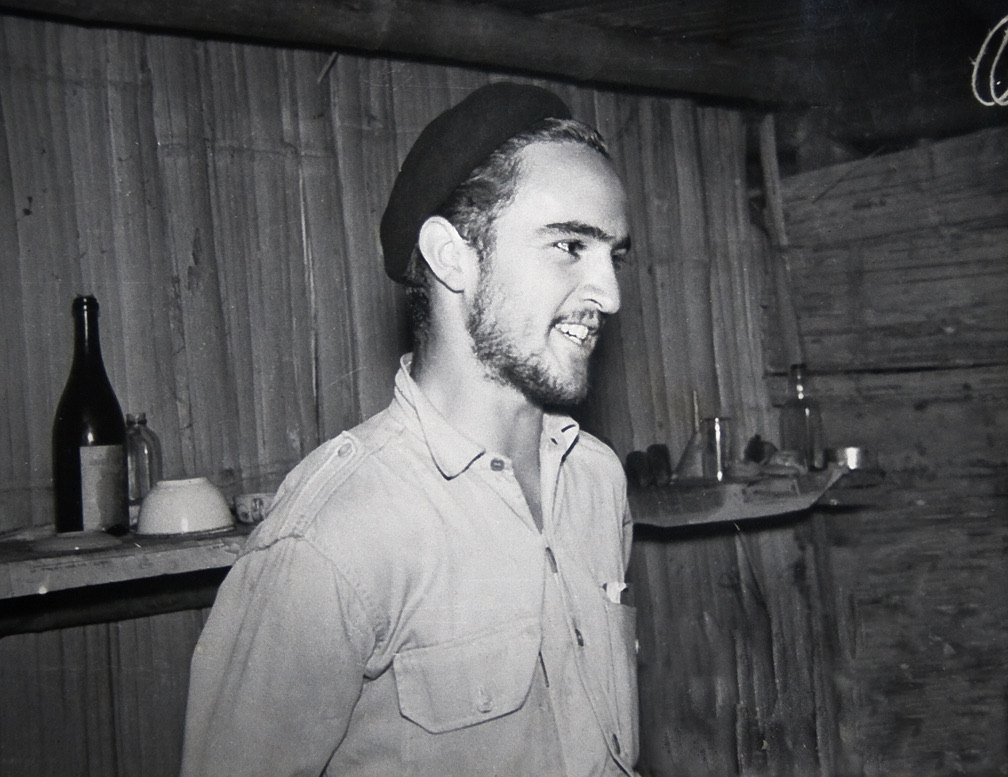
Nothing less than a wonderland for Simón
The centuries-old, rugged passages, some of them first opened by the Spanish conquistadores in their feverish search for El Dorado, led up and over the wind-swept continental divide, down through Andean forests and into the Amazon lowlands. These seldom traversed and even feared lands were a deterrent to most early explorers and colonists.
From horse trails to a forest corridor
-
Late 1940s
A teenager in el Oriente
Barely into his teens, young Simón Bustamante starts exploring the largely uninhabited eastern part of Ecuador, “el Oriente”. In those days there were only foot and horse trails, so what takes us only hours now in a vehicle took days or weeks back then.
-
Many expeditions later Over the years
A distinguished figure of the zone
Simón became a distinguished figure of the zone, friend to many, as well as a hydro-electric engineer. Along the way he:
- Was part of the team that rediscovered la Cascada San Rafael
- Designed and constructed roads
- Helped co-found numerous towns
- Served as minister of natural resources under President José María Velasco Ibarra
- Was a congressman representing Napo province
-
Founded 1959
San Isidro is founded
His adventures coincided with a government plan to open up untouched land for colonization. Of all the areas he spent years exploring, the spot that most captivated him were the mountainous hills surrounding the small hamlet of Cosanga, named for the river itself, so he bought the lands that are now part of the forest reserve around the lodge. San Isidro was founded and officially registered by the government in 1959.
The original 620 hectares - About 100 ha cleared for cattle, since regenerated into tall secondary forest
- The rest left as original forest
To settle land back then, it was a requirement to make 50% productive. Simón’s awareness of proper natural resource management was vanguard, even pre-dating the national park system, in a time when deforestation was thought of as land improvement. With this foresight he became one of the country’s first true conservationists.
-
First guests 1985
When eco-tourism was a foreign concept
Tourism on the reserve was an idea the Bustamante family had been formulating for years when they built the first set of small cabins. When San Isidro received its first guests in 1985, eco-tourism was just getting started in Ecuador: Tinalandia on the west slope, and Jaguar and Anaconda Lodges in the Tena area, were a few of the earliest lodges with this concept already in practice.
-
+550 ha 1998
The reserve grows
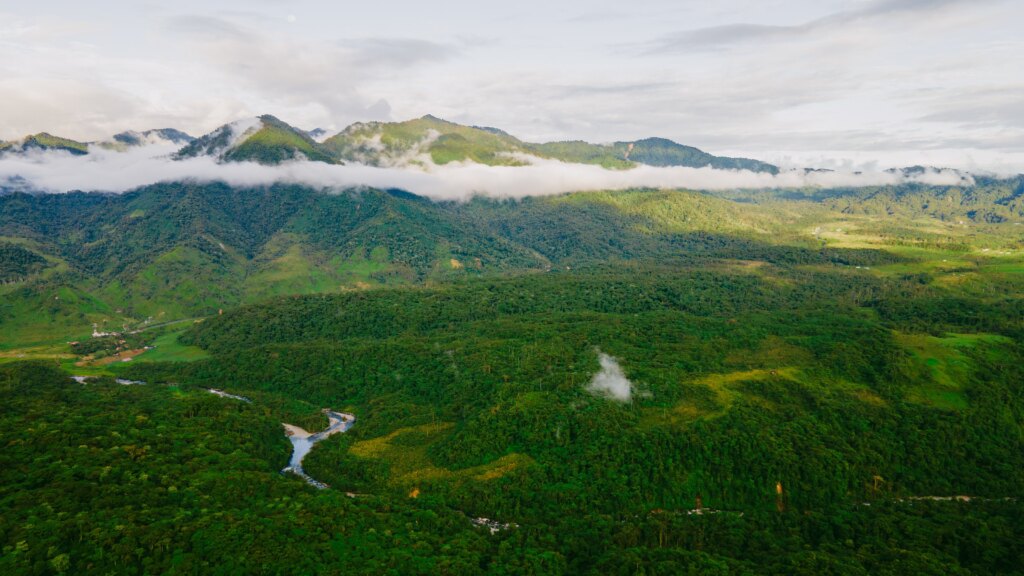
As tourism to natural areas and private conservation efforts began to grow in the country, so did the reserve: an adjacent 550 hectare tract of forested land was purchased to add to its original 620 hectares. With this momentum the Napo Andean Forest Foundation was created and, with the help of numerous international organizations, set out to raise funds to significantly expand the reserve and establish it as an important corridor connecting the two different extremes of the Antisana National Park.
-
Over the next +10 years
The final link
Over the next 10 years this became a reality, with the purchase of about 900 additional hectares of mostly inaccessible lands that were the final link in consolidating the project.
How the reserve grew, in hectares -
Research For decades
A reserve open to science
The reserve has evolved into the ideal place to develop diverse projects and activities related to conservation. For decades San Isidro has supported research by opening its doors to foreign and Ecuadorian researchers and students, making it one of the best studied forest reserves in the country.
-
Reforestation 2014
Bringing back the Logma
San Isidro initiated a reforestation project to help restore the Logma tree, a special and native tree of the zone that had been exploited to the point of near local extinction due to its prized wood.
The Logma story -
After a long wait 2023
First flowers, first fruit
2023 marked the first year that some of the planted trees flowered and then fruited.
The Logma tree
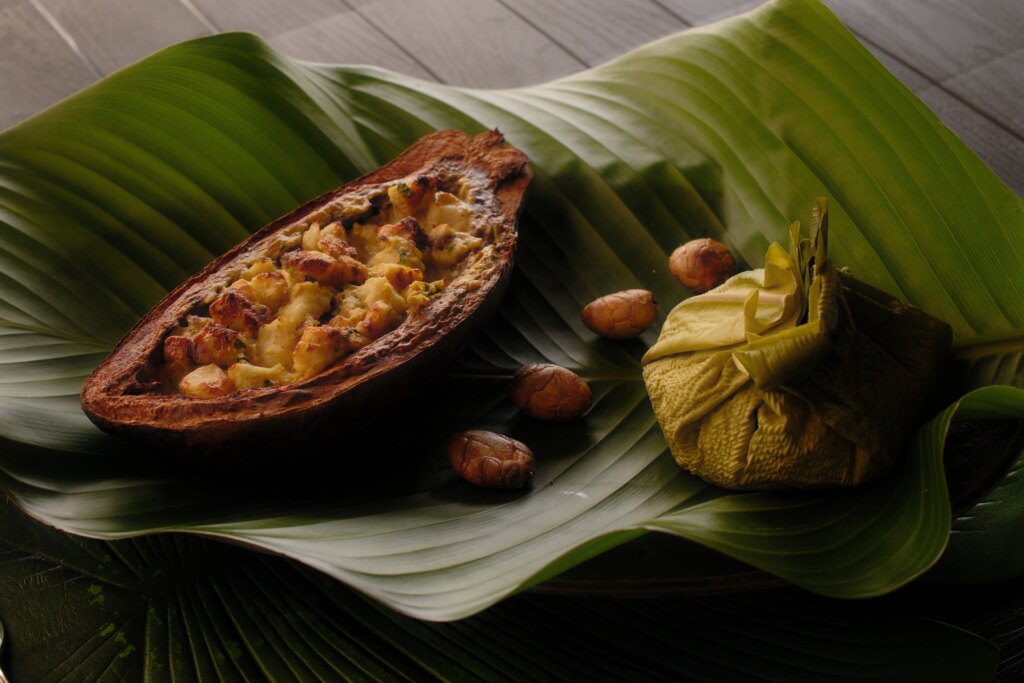
Also known as Lucuma, this native tree’s large and pulpy fruit has antioxidant properties and is considered a super-food. It is best known from Peru, where it is popularly consumed as ice cream and flour.
The tree had become rare enough in the area that even older generations had to think way back to remember its existence, but through persistence numerous trees were located. Seeds were then collected and germinated, raised to saplings and small trees, and planted with great success around the lodge and in regenerating areas of the reserve.
Plant a lucuma tree on our programs- Seeds collected
- Germinated
- Saplings
- Small trees planted
- 2023: flowers and fruit
Local people, trained on site
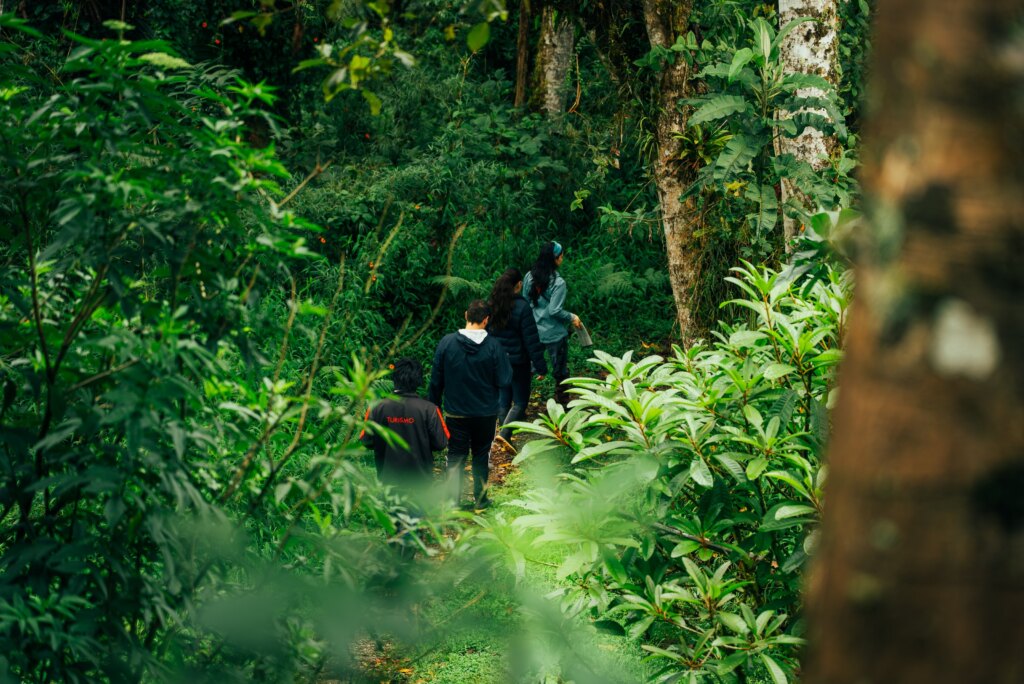
It is a point of pride that the lodge’s staff are all locals that have been trained on-site.
The surrounding community has always been at the heart of our operation, and you will see for yourself what they have achieved when it comes to guiding, cooking and hospitality.
Our sustainability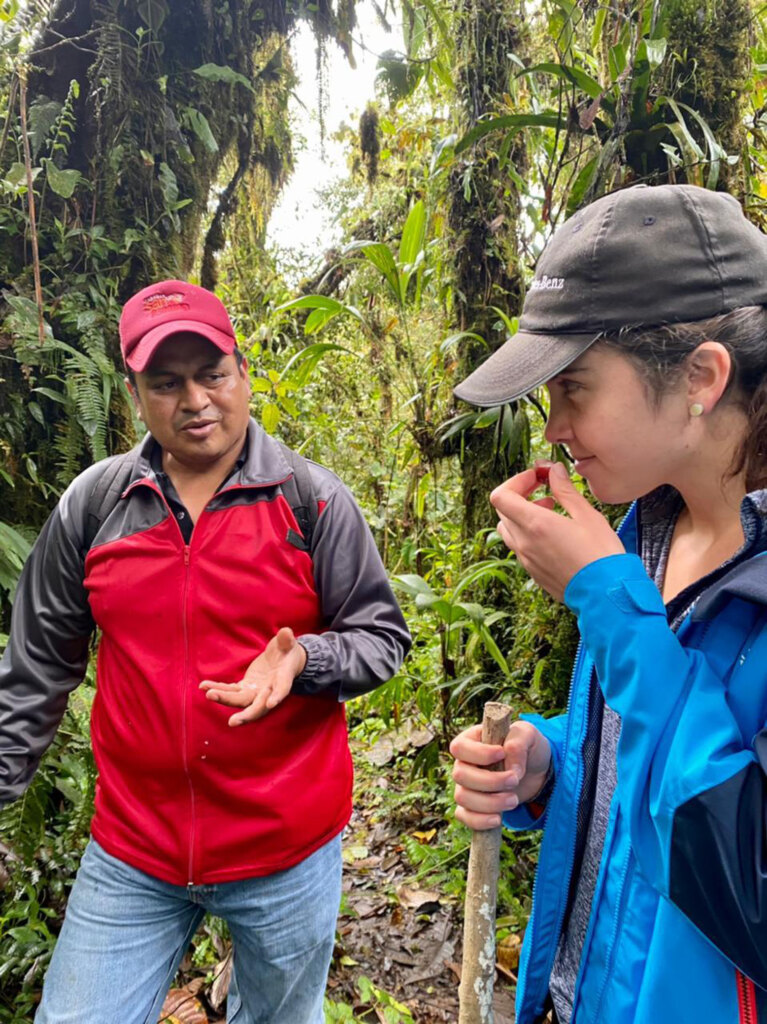

Book direct
Your room in the cloud forest is waiting
Choose your dates and see availability in real time, or write to us on WhatsApp and we will help you plan your stay.
+593 97 934 7725